The Safety Blog
Avoid mistakes, learn the basics and change small habits that could save lives.
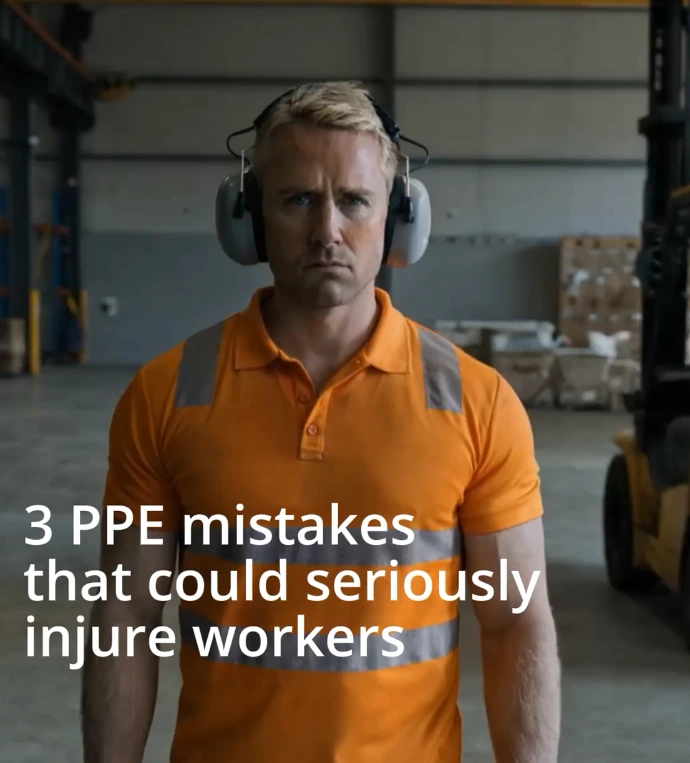
3 Common PPE Mistakes You Should Avoid
Personal Protective Equipment (PPE) is one of the most important lines of defence on any worksite. But simply wearing PPE isn’t enough, it needs to be worn correctly and appropriately to actually do its job.
- Overprotecting your hearing
More isn’t always better. The level of hearing protection should match the task, using the highest rating unnecessarily can actually reduce awareness and communication. - Poorly fitting eye protection
If your safety glasses don’t seal properly, debris can still get in and cause serious eye injuries. Fit matters just as much as the gear itself. - Skipping the chin strap
A helmet won’t protect you if it doesn’t stay on. Many head injuries happen when helmets fall off during slips or falls, secure it properly every time.
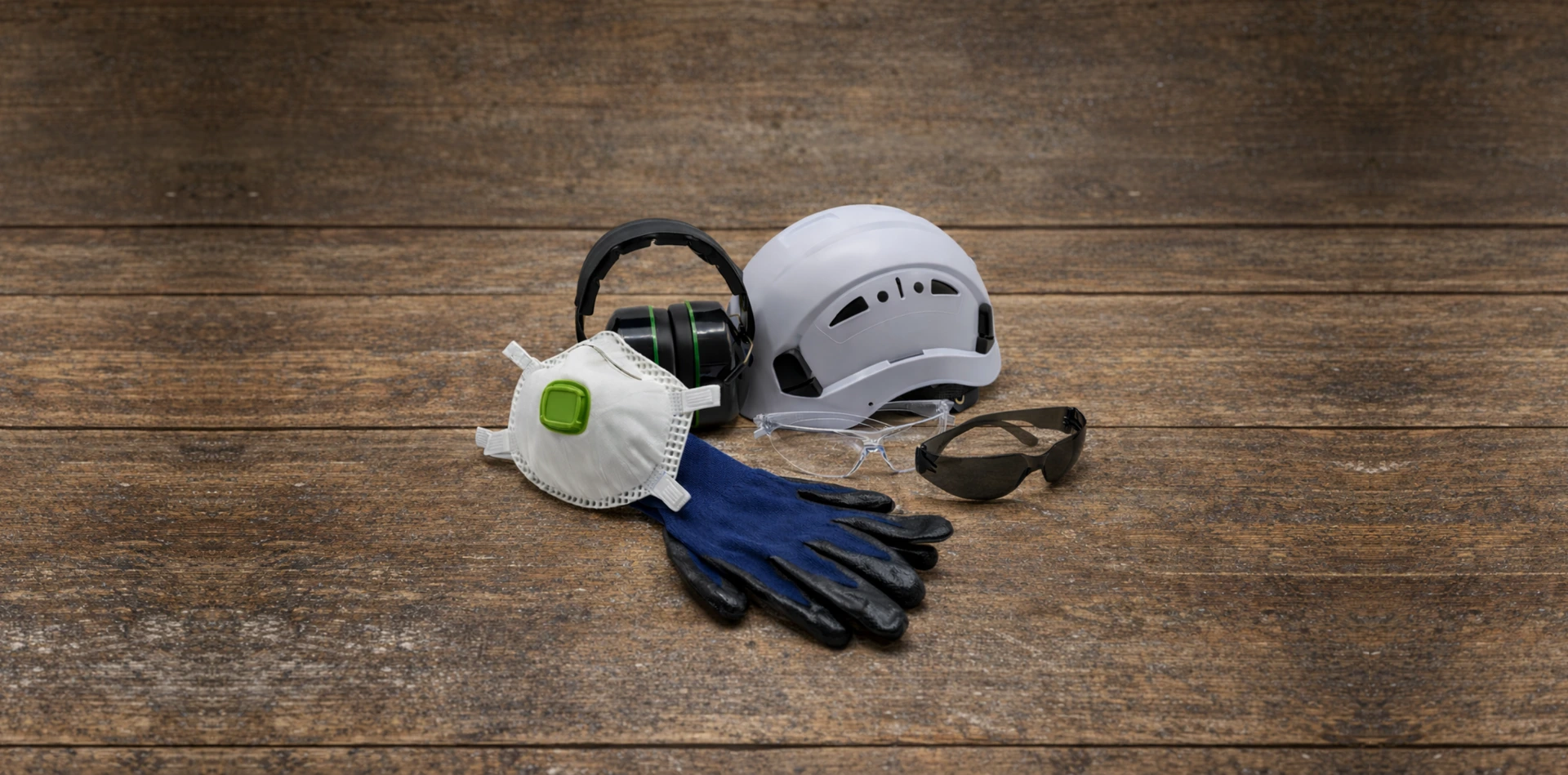
PPE Habits That Save Lives
Personal Protective Equipment (PPE) is often the last line of defence between you and a serious injury. But simply having PPE isn’t enough; it’s how you use, maintain, and think about it that truly makes the difference. Building strong PPE habits doesn’t take much time, but it can save your life.
Check before you wear
Before putting on any PPE, take a moment to inspect it. Small issues, like cracks in a helmet, worn straps on a harness, or expired filters in a mask, can turn into major failures at the worst possible time. PPE is designed to protect you, but only if it’s in good condition. A quick check could prevent a serious incident.
Match PPE to the task
Not all jobs carry the same risks, and not all PPE offers the same level of protection. Using the wrong type can be just as dangerous as using none at all. Whether it’s choosing the right gloves, eye protection, or respiratory equipment, make sure what you’re wearing is suited to the specific hazards of the task. The right gear, used the right way, is what keeps you safe.
Store it properly
What happens after the job matters just as much as what happens during it. Tossing PPE into the back of a van or leaving it exposed to dirt, moisture, or sunlight can degrade its effectiveness over time. Clean, dry, and well-organized storage helps ensure your equipment is ready to protect you the next time you need it.
Good habits save lives
PPE isn’t just a box to tick, it’s a daily commitment to your own safety. Taking a few extra moments to check, choose, and care for your gear builds habits that stick. And in the moments that matter most, those habits are what stand between a close call and a serious injury.
Safety Shortcuts That Aren’t Worth It
️
We’ve all been there. You’re in the middle of a task, pressed for time, and a small voice in your head says, “It’ll only take a second.” It feels harmless in the moment—like bending the rules just this once couldn’t possibly lead to anything serious. But when it comes to safety, those shortcuts often carry consequences far greater than the seconds they save.
“It’ll only take a second”
This is one of the most common justifications for cutting corners, and one of the most dangerous. Many workplace accidents don’t happen during complex operations; they happen during quick, routine tasks. Why? Because rushing strips away your safety margin. When you speed up, you’re more likely to miss a step, overlook a hazard, or react too late. That “one second” decision can lead to injuries that last a lifetime.
Skipping PPE “just this once”
Personal Protective Equipment (PPE) only works if you use it, every time. It’s easy to think that one exception won’t matter, especially if the task seems minor. But safety isn’t about luck; it’s about consistency. The moment you decide to skip PPE is the moment you rely on chance instead of protection. And chance is not a reliable safety strategy.
Assuming the risk is low
Familiarity can be deceptive. Just because you’ve done a job a hundred times without incident doesn’t mean it’s risk-free. In fact, that comfort can lead to complacency, the quiet enemy of safety. Hazards don’t disappear just because we stop noticing them. Staying alert, even during routine tasks, is what keeps those risks under control.
No shortcuts. No regrets.
Safety isn’t about slowing down work, it’s about doing it right. Taking a few extra moments to follow proper procedures, wear the right equipment, and stay aware can make all the difference. Shortcuts might save time in the moment, but they can cost far more in the long run.
In the end, the choice is simple: take the shortcut, or take responsibility. Because when it comes to safety, there’s no such thing as a small risk, only risks we choose to ignore.
️3 Signs Your PPE Isn’t Working
- You’re adjusting it constantly
If it won’t stay in place, it’s not protecting you properly. A bad fit can be as dangerous as not wearing PPE at all, as it could fail, slip off or even cause injury. - You feel discomfort or pain
Good PPE should fit well, pain often means poor fit or wrong type. If it's uncomfortable, don't remove it and work without PPE, instead the correct PPE that fits properly and doesn't cause discomfort. The Safety Forge stocks the most comfortable and rigorously tested PPE, because wearing PPE shouldn't make your job harder, it should make it effortless. - You’re still exposed
Dust, noise, or debris getting through? That’s a clear failure. Another problem with poor fitting PPE. Flexible eyewear with soft padding or lenses that curve with the shape of your face, helmets with multiple adjustment points and hearing protection that can shape properly around your head to ensure a good seal.
If it’s not right—fix it.